

Global Floral Flavor Market Led by Asia-Pacific; Givaudan, Symrise, and IFF Strengthen Botanical Supply Chains
Floral Flavor
The Global Floral Flavor Market is segmented by Raw Material (Hibiscus, Lavender, Orange Flower, Rose, Jasmine, Cherry Blossom, Chamomile, Violette, and Others)
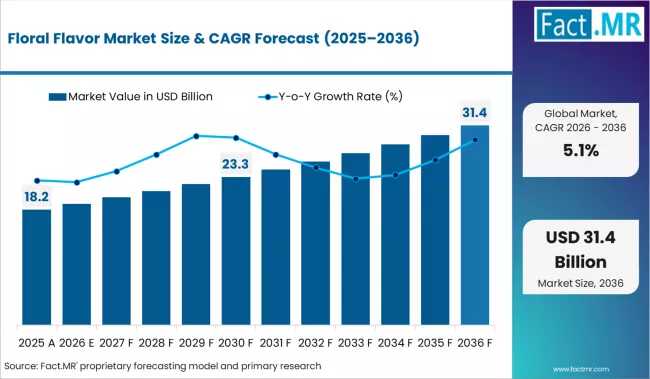
ROCKVILLE, MD, UNITED STATES, April 9, 2026 /EINPresswire.com/ -- According to Fact.MR’s latest analysis, the global floral flavor market continues to expand steadily as food and beverage manufacturers shift toward natural and botanical ingredients. The market was valued at USD 18.2 billion in 2025, is estimated to reach USD 19.1 billion in 2026, and is projected to grow to USD 31.4 billion by 2036, reflecting a CAGR of 5.1% during the forecast period.The market is expected to create an incremental opportunity of USD 12.3 billion between 2026 and 2036. Growth is supported by rising demand for clean-label products, expanding botanical beverage launches, and regulatory pressure favoring natural flavors over synthetic alternatives. However, volatility in floral raw material supply—particularly rose and jasmine—continues to influence pricing dynamics and margin structures.
Get detailed market forecasts, competitive benchmarking, and pricing trends:
https://www.factmr.com/connectus/sample?flag=S&rep_id=14691
Quick Stats
Market Size (2026): USD 19.1 Billion
Market Size (2027): USD 20.1 Billion (est.)
Forecast Value (2036): USD 31.4 Billion
CAGR (2026–2036): 5.1%
Incremental Opportunity: USD 12.3 Billion
Leading Segment: Organic Floral Flavors (~63% share)
Leading Region: Asia-Pacific
Key Players: Givaudan, Symrise, IFF, dsm-firmenich, Sensient
Executive Insight for Decision Makers
The floral flavor industry is transitioning from niche artisan applications to mainstream natural flavor systems embedded in beverages, dairy, and confectionery.
Strategic shifts shaping the market
Procurement strategies moving toward long-term botanical sourcing contracts
Clean-label compliance becoming a supplier selection criterion
Regional taste customization gaining importance
What stakeholders must do
Secure traceable sourcing for hibiscus, rose, and jasmine
Invest in organic certification and regulatory compliance
Expand beverage-focused floral flavor portfolios
Risk of not adapting
Companies relying on synthetic variants risk losing shelf placement as retailers prioritize clean-label formulations.
Market Dynamics
Key Growth Drivers
Rising demand for botanical beverages and functional drinks
Clean-label and natural ingredient regulations
Premium confectionery and bakery innovation
Expansion of organized retail in emerging markets
Key Restraints
Volatility in floral raw material supply
High cost of organic floral extracts
Seasonal availability impacting production planning
Emerging Trends
Hibiscus-based functional beverages
Lavender and elderflower in premium bakery
Fermentation-derived floral flavor systems
Regional floral blends (rose in India, jasmine in China)
Segment Analysis
Leading Segment
Organic floral flavors hold approximately 63% share in 2026, reflecting regulatory and consumer preference
Fastest Growing Segment
Floral beverage applications including RTD teas and wellness drinks
Breakdown
By Raw Material: Hibiscus | Rose | Jasmine | Lavender | Elderflower
By Product Type: Organic | Conventional
By Application: Beverages | Confectionery | Dairy | Bakery
Strategic Importance
Beverages drive volume demand, while confectionery and dairy provide premium margin opportunities.
Supply Chain Analysis
Raw Material Suppliers
Flower cultivators (hibiscus, rose, jasmine farms)
Essential oil extractors
Botanical ingredient processors
Manufacturers
Flavor houses developing concentrated floral flavor systems
Distributors
Ingredient distributors supplying food and beverage manufacturers
Regional specialty ingredient suppliers
End Users
Beverage manufacturers (RTD drinks, teas)
Confectionery companies (candies, chocolates)
Dairy producers (ice cream, yogurt)
Bakery brands (cakes, pastries)
Who Supplies Whom
Botanical growers supply raw flowers to extractors. Extractors process concentrates sold to flavor houses. Flavor houses develop blends and supply food manufacturers. Finished products reach consumers via retail and foodservice channels.
Pricing Trends
Synthetic floral flavors operate in commodity pricing tiers
Natural and organic variants command 20–35% premium
Key pricing factors:
Raw flower yield variability
Organic certification cost
Extraction technology
Seasonal harvest cycles
Margin Insights
Premium beverage and confectionery applications generate higher margins for certified natural floral flavors.
Regional Analysis
Top Countries by CAGR
India – 6.4%
China – 5.9%
United States – 5.2%
Japan – 4.6%
Germany – 4.4%
Regional Growth Drivers
India: Expansion of flavored beverages and organized retail
China: Premium floral tea and functional drink demand
United States: Botanical cocktails and wellness beverages
Japan: Seasonal confectionery applications
Germany: Strong organic food retail ecosystem
Developed vs Emerging Markets
Developed markets emphasize certification and premiumization
Emerging markets drive volume growth and localized flavor demand
Competitive Landscape
The market is moderately consolidated, with leading companies controlling roughly 55–60% of global revenue.
Key Players
Givaudan
Symrise AG
dsm-firmenich
International Flavors & Fragrances (IFF)
Sensient Technologies
Takasago International
Robertet Group
Döhler GmbH
S H Kelkar and Company
Frutarom
Competitive Strategies
Direct sourcing partnerships with flower farmers
Investment in organic certification
Application-specific flavor development
Regional manufacturing expansion
Strategic Takeaways
For Manufacturers
Secure long-term botanical sourcing contracts
Develop organic-certified flavor portfolios
For Investors
Focus on beverage and dairy applications
Monitor emerging markets with strong retail growth
For Marketers / Distributors
Promote clean-label positioning
Offer customized regional flavor blends
Future Outlook
The floral flavor market is moving toward traceable botanical sourcing and sustainable extraction technologies. Fermentation-based production and advanced extraction methods will reduce supply volatility.
Long-term opportunities lie in:
Functional wellness beverages
Premium confectionery
Plant-based dairy products
Regional botanical blends
Conclusion
The global floral flavor market is transitioning into a stable, premium-driven natural ingredient category. Companies that invest in traceable sourcing, organic certification, and beverage-focused innovation will capture significant value from the USD 31.4 billion market opportunity by 2036.
Why This Market Matters
Supports clean-label food innovation
Enables premium beverage development
Expands botanical ingredient demand
Drives sustainable agricultural sourcing
Full Report: Unlock 360° insights for strategic decision making and investment planning-
https://www.factmr.com/checkout/14691
To View Related Report:
Floral Tea Market https://www.factmr.com/report/floral-tea-market
Floral Water Market https://www.factmr.com/report/2544/floral-water-market
Flavored Milk Market https://www.factmr.com/report/137/flavored-milk-market
Flavor Encapsulation Ingredients Market https://www.factmr.com/report/flavor-encapsulation-ingredients-market
S. N. Jha
Fact.MR
+1 628-251-1583
email us here
Legal Disclaimer:
EIN Presswire provides this news content "as is" without warranty of any kind. We do not accept any responsibility or liability for the accuracy, content, images, videos, licenses, completeness, legality, or reliability of the information contained in this article. If you have any complaints or copyright issues related to this article, kindly contact the author above.
